Got questions?
You’ve just purchased your first piano, or maybe you’ve just had your guitar’s strings replaced and your instrument set up perfectly. Now comes the important part: taking good care of your instrument.
Proper maintenance can help your instrument stay in great condition, sound its best, and last for years to come. Below are some commonly asked questions about the proper care and upkeep of your piano or guitar.
-
Generally, you want to have your piano tuned every six months, once after the warmer seasons and once after the colder seasons. One of the best things you can do for your piano is keep it in a room with consistent humidity. Some homes have different levels of efficiency, which can make this difficult. In these cases, you may want to consider purchasing a humidifier for the room. Be careful not to over-humidify the space, but at the same time, don’t let the room become too dry. These fluctuations in humidity can affect your piano’s ability to hold its tune.
-
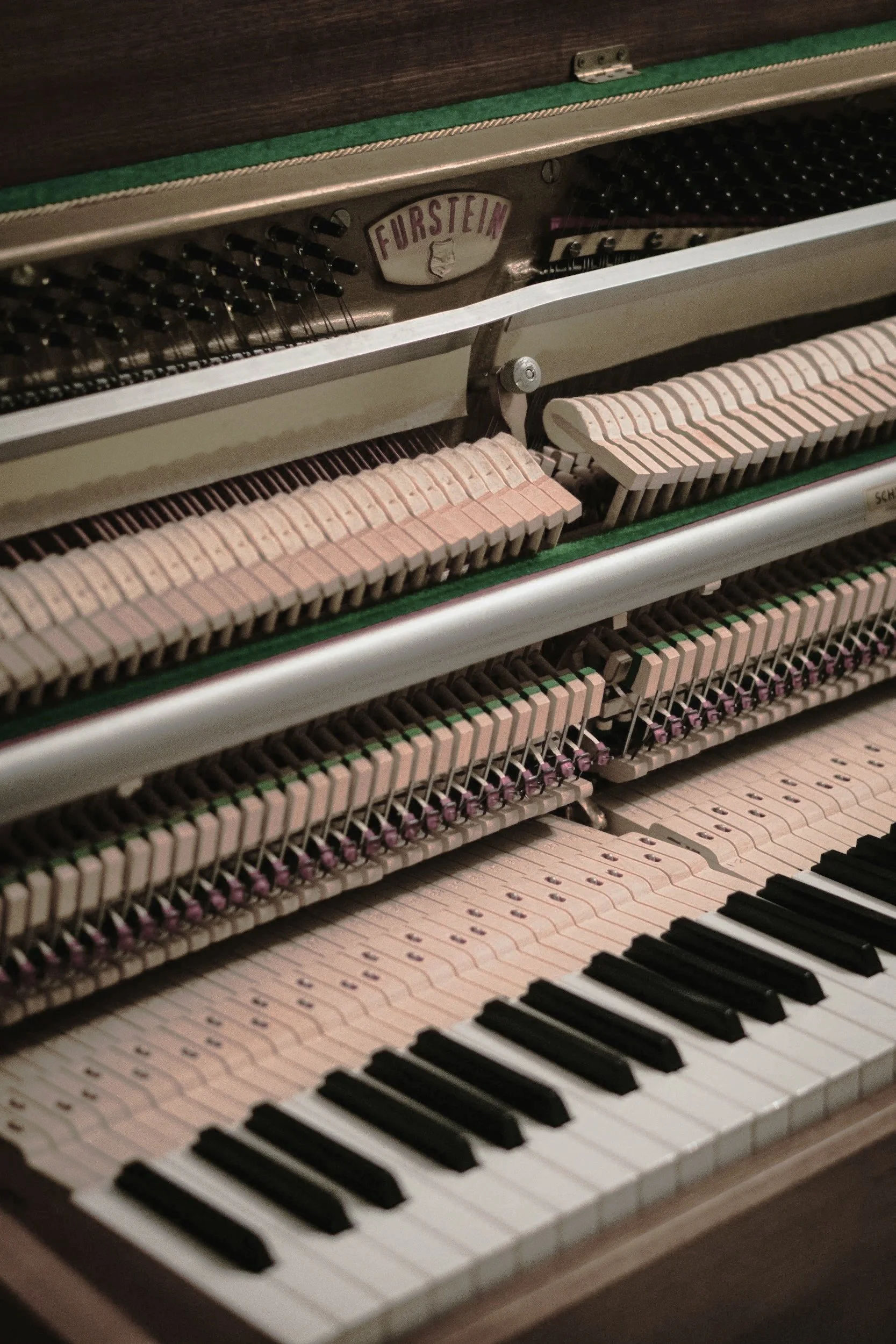
It’s hard to say without actually being there to see the instrument. There is a fairly large range of reasons why some of the keys on your piano might not be working. Maybe they’re stuck, maybe the hammer strikes twice when you play the key, or perhaps the hammer isn’t striking hard enough.
The short answer is this: sometimes small objects can become stuck in the action of your piano, while in other cases, humidity can cause the wooden components of the action to swell and interfere with the mechanism. These are just a couple of reasons among a long list of possibilities. The best thing to do is hire a qualified piano technician to come out and evaluate the instrument so they can provide a more informed answer and determine the appropriate repair.
-
This is a very common question. On my website, you can find the services I provide and how much they cost. Generally, a piano technician will have a package system with a fixed rate that includes a specific number of services within that package. The industry standard tends to be around $250–$350 for a standard tuning, but the price may vary depending on how often the piano has been serviced, how old the piano is, whether it needs repairs, and other factors.
-
You should first have a piano technician come out and evaluate your instrument. The hard truth is that sometimes, when a piano is very old and hasn’t been serviced in a long time, the cost of repairing and tuning it can become comparable to the price of a brand-new piano.
As a piano technician, I can help you evaluate the condition of your instrument and discuss whether it makes more sense to move forward with the necessary repairs or consider purchasing a new piano. Talk with your piano technician about their recommendations so you can make the best decision for your instrument and your budget.
What about my guitar?
What about my guitar?
-
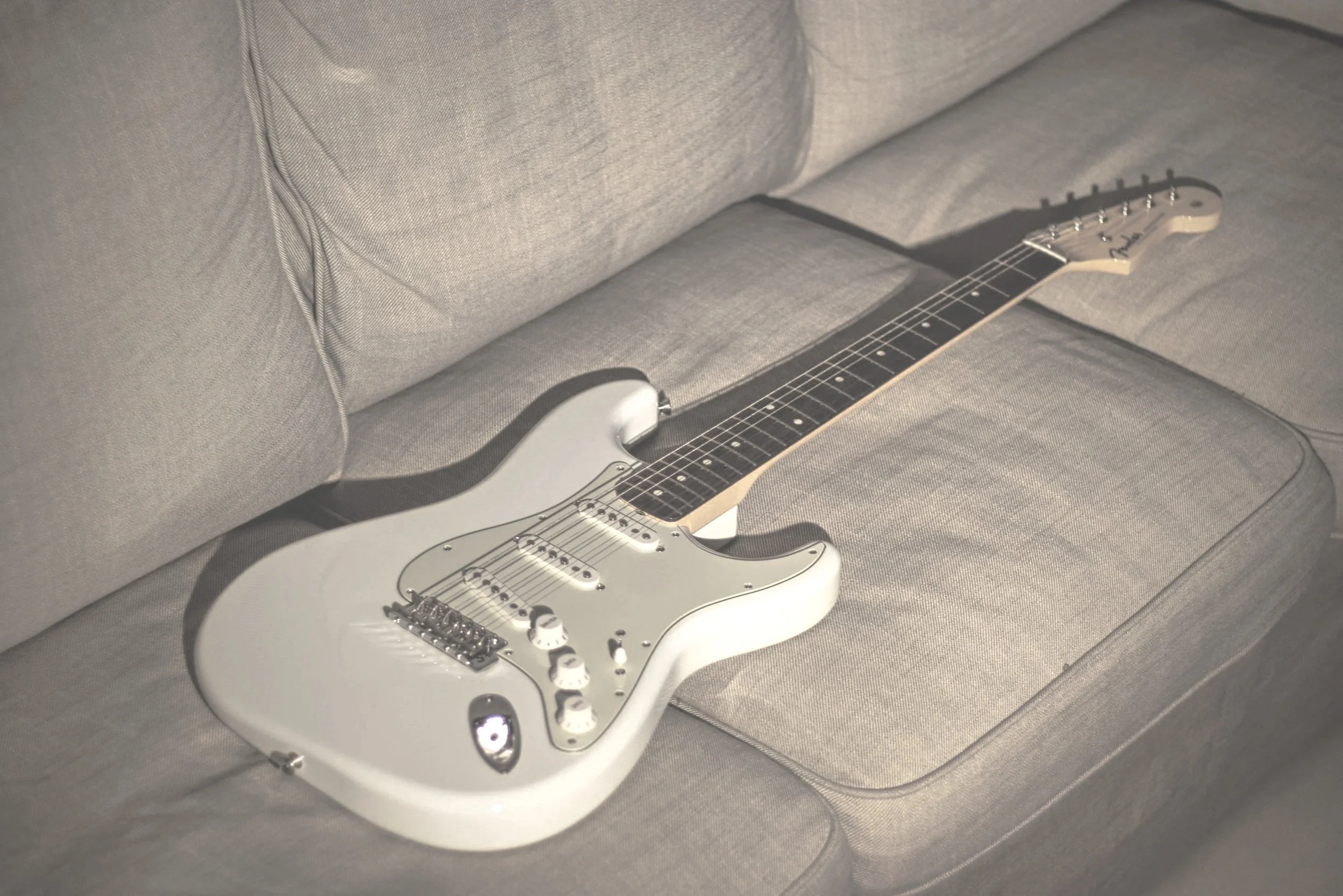
The most obvious way to tell is if the strings are a dark brown color and sound rather “dull” when you play them. Sometimes this discoloration can come from long periods without playing your guitar, and sometimes it can be caused by oils on your hands. If you’re ever unsure, a good rule of thumb is to change your strings every 3–6 months.
-
You certainly can. If you don’t have experience changing strings, do some research and prepare to take your time when you go for it. Depending on whether you have an electric or acoustic guitar, the process may look a little different. Even among electric guitars, there are many different bridge styles to be aware of, so make sure you know what you’re working with. It may also help to purchase a couple of basic tools and do some research on the best type and gauge of strings for you as a player.
-
If I’m changing your guitar strings, I’m not only going to change the strings. I’ll also perform some general maintenance and a setup on your guitar. This includes things like a deep cleaning, intonation, truss rod adjustment, action setup, and installing new strings that best suit you as a player.
I have seven years of experience with guitar maintenance, and one of the joys of being a musician is having the opportunity to properly care for and steward my instruments along the way.
-
Of course, it depends on your budget, but I have found that one of the most reliable budget-friendly brands for acoustic guitars is Orangewood Guitars. For electric guitars, I would recommend anything from Yamaha. Of course, do some research, and you can always email me with any questions.
-
Collaborative, honest, and straightforward. We're here to guide the process, bring ideas to the table, and keep things moving.